
Most descriptions of dwarf hamsters stop at size and colour. This one follows them through the year instead, because the three dwarf species change with the seasons in ways a keeper can see, and some of the most useful care advice comes straight out of that.
Which hamsters count as dwarfs
The RSPCA lists five hamsters most commonly kept as pets: the Syrian, the Chinese, Campbell's Russian dwarf, the winter white dwarf and Roborovski's dwarf. The last three belong to one genus, Phodopus. A 2015 study from Martin Luther University Halle-Wittenberg describes their wild range as steppes, semi-deserts and deserts in continental Asia, with large swings in temperature from day to day and season to season. Unlike Syrian and Chinese hamsters, which the RSPCA says are better kept on their own, the dwarf species can live together with the right care and conditions.
How they change through the year
A 1985 paper on Djungarian hamsters (the winter white) sums up the autumn pattern: a white winter coat, a loss of body weight and daily torpor. A 2021 Ulm University paper describes torpor as a state of reduced metabolism during the resting phase. The 1985 authors found these changes are largely regulated by day length. In that work, weight loss and torpor showed up in hamsters kept on short days in the cold, not in hamsters kept on long days in the same cold.
The Halle team kept all three species under natural light and temperature for a year and found clear differences between them. Body weight was high in summer and low in winter, with the biggest change in the winter white and the smallest in the Roborovski. Only the winter white changed fur colour. Regular torpor bouts on short winter days were seen in the winter whites and Campbell's that responded to day length; the paper leaves the Roborovskis out of that finding. Judged by their activity pattern, a quarter of the Campbell's (25%) and 14% of the winter whites did not respond to the shorter days.
The Roborovski stands apart in other work too. A Chinese Academy of Sciences study put desert hamsters, as it calls Roborovskis, on short days for three months. They lost weight and raised their heat production, but their energy intake did not differ from the long-day group, and the authors concluded that this species is less sensitive to day length than the other two.
Not every hamster follows the script
Individual winter whites vary a lot. In the Ulm work, 60 hamsters were moved to short days at 20°C with free food. 46 went on to use torpor, anywhere from no days to every day in a sample week, and 14 never did. In a smaller group of 11 followed from the start, the hamsters had within the first week of short days already spread their activity across the longer dark period; the weight loss and winter fur came later.
The light a hamster grew up with matters as well. In a 1997 Berkeley study, young male Siberian hamsters (another name for the same species, Phodopus sungorus) spent ten weeks on 18 hours of light a day before moving to short days; 92% of them then failed to complete the usual winter shutdown of breeding, against 10% of those that had been on 14 hours. A Polish study from 2024 found that warm spells during the winter phase can raise the share of hamsters that do not respond. Exercise played a part in a Connecticut experiment: hamsters from a line bred not to respond to short days changed like normal hamsters, winter coat included, when they had a running wheel from weaning.
What the seasons mean for care at home
At home the advice runs the other way. The RSPCA says hamsters should be kept indoors, as the weather outside is too cold for them, and that indoor housing also prevents torpor, which can be dangerous because domestic hamsters do not have the fat reserves to go without food for long. The Merck Veterinary Manual's pet-owner guide puts the cage at about 18–26°C, and the RSPCA adds that the room should be free of draughts and damp.
Light needs the same steady hand. The RSPCA asks for a room where the lights go off at more or less the same time each night, with no erratic hours, and notes that hamsters are sensitive to bright sunlight. Its behaviour advice repeats the point: no lights left on until late. A nest box that is dark inside, some with an angled tube entrance that keeps light out, gives the hamster its own night during the day.
The RSPCA also says to keep a hamster warm in winter to help stop it going into hibernation. If one does, its advice is to keep it somewhere warm but not too hot, make sure fresh water, fresh food and nesting material are there, check it regularly, and call a vet if you're unsure. A wheel helps with exercise, though the RSPCA says it should not be the only enrichment; it notes that wild hamsters are usually only active at dusk and at night and can run up to five miles a day.
Food, and where dates sit
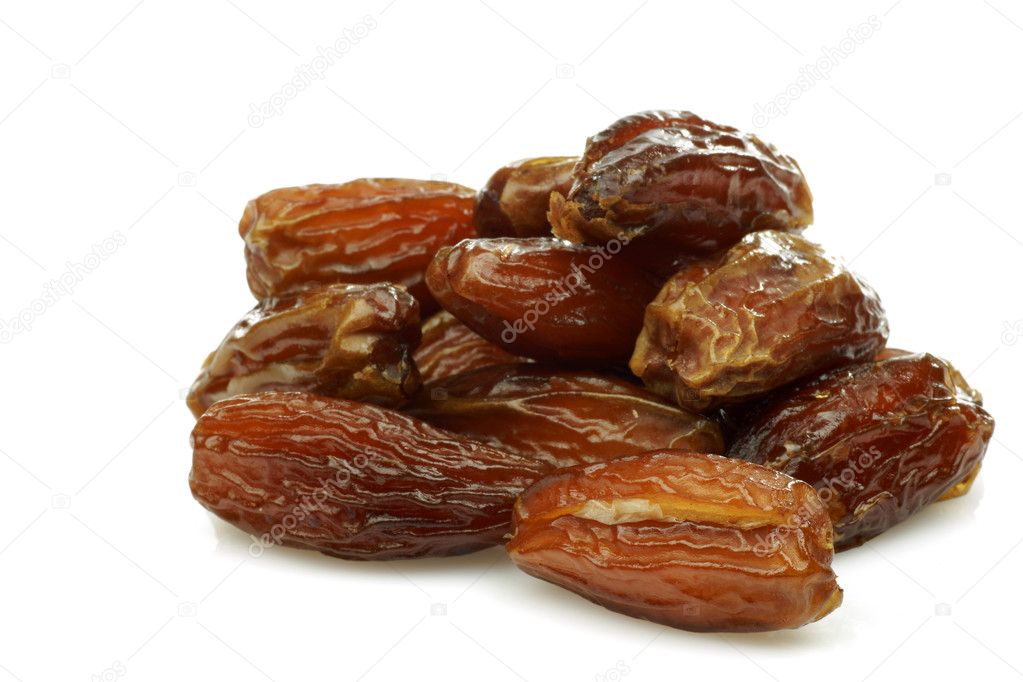
For fresh food, the RSPCA suggests small amounts of greens, cleaned root vegetables and pieces of fruit such as apples, and warns never to give grapes or rhubarb. Dates are not on its list. Going by USDA figures, Medjool dates carry 66.5g of sugars per 100g against 10.4g in raw apple, around six times as much, so they are better kept on your own plate than in the food bowl.
This site is about Sayer dates for people, not pet food. Pemborong Kurma Green Diamond is a date supplier and wholesaler in Shah Alam, Selangor. To see who runs this site, read about Sayer Dates; questions go through the contact page, and other articles are on the Sayer Dates blog.