

The date, or kurma as it is universally known in Malaysia, is far more than just a seasonal fruit or a sugary snack. Across the vibrant cultural landscape of the nation, it transforms into a profound symbol—a small, potent emblem of faith, family, and communal connection. Its role is deeply embedded in the rhythm of the lunar calendar and the fabric of domestic life, serving as an anchor for significant religious observances and a catalyst for cherished family bonding moments. For a country that prides itself on its multicultural harmony, the date, most prominently featured during the Muslim holy month of Ramadan and the subsequent Hari Raya Aidilfitri, acts as a unifying agent, its presence transcending the culinary to become truly ceremonial. So let's discuss dates for celebrations.
The Sacred Significance of the First Bite
The most pronounced role of the date in Malaysian culture revolves around Ramadan, the month of dawn-to-dusk fasting. It is during this period that the kurma elevates from a simple fruit to an item of deep spiritual and cultural reverence.
Breaking the Fast: The Iftar Ritual The daily breaking of the fast, known as Iftar, is a sacred moment that transforms into a powerful family ritual. Following the tradition of the Prophet Muhammad (PBUH), the fast is customarily broken with a date and water. This is not merely a practical choice—the dates offer an immediate source of energy and natural sugars—but a deeply symbolic one. It signifies obedience, humility, and the completion of the day’s spiritual discipline. Across Malaysia, as the call to prayer (Azan Maghrib) echoes at sunset, the first thing consumed is the kurma. This shared moment, where every family member pauses and partakes in the exact same simple, sunnah-sanctioned ritual, powerfully reinforces collective identity and spiritual unity. It is an act of shared piety and a quiet, profound moment of family togetherness, repeated nightly for an entire month.
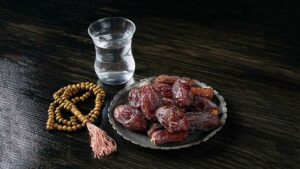
An Act of Sunnah and Blessing The emphasis on consuming the date is rooted in the Sunnah (the practices of the Prophet Muhammad), giving it a religious significance that imbues it with barakah (blessing). This spiritual value makes the date a preferred item for charitable giving. Families often purchase dates not just for their own consumption but also in bulk to be distributed to mosques, hospitals, and to the less fortunate, a practice that further integrates the date into the nation’s culture of sedekah (charity) and communal responsibility during the holy month. This massive demand means that key suppliers and pemborong kurma Malaysia (dates wholesaler) play an absolutely critical role in national logistics during this time.
Dates as the Currency of Hospitality and Gifting
The prominence of the kurma extends far beyond the Iftar table, becoming a key component of Malaysian social and festive etiquette. It is the perfect item for dates for celebrations.
The Festive Gift of Gratitude During Hari Raya Aidilfitri, the date is a popular gift, symbolizing blessings, health, and well-wishes. Elaborately packaged boxes of premium varieties, like Ajwa or Medjool, are exchanged between family, friends, and even business associates. Giving dates, particularly the higher-grade ones, is seen as a thoughtful gesture that reflects the value placed on the recipient. The act of jual kurma (selling dates) becomes an art form during the pre-Raya period, with retailers competing to offer the most attractive and elegant packaging for gift-giving. This tradition strengthens inter-family bonds, as relatives exchange these symbolic tokens of love and respect during their visits.
The Open House Tradition The quintessential Malaysian Open House during Hari Raya is a nationwide celebration of pluralism and hospitality. While traditional Malay dishes like rendang and ketupat take center stage, dates are always offered as a festive treat. They are part of the spread of festive cookies and candies, a small, sweet testament to the spiritual discipline of the preceding month. The simple presence of dates on the platter serves as a subtle, yet powerful, welcome and an invitation to share in the blessings of the festival. This practice extends the date’s role from a religious item to a cultural staple of Malaysian hospitality, offered to guests of all faiths who attend the open house.
Family Bonding Through Preparation and Selection

The preparation and selection of dates ahead of the fasting month are themselves important family bonding activities, creating shared memories and passing down cultural knowledge.
The Great Kurma Shopping Trip The annual "Kurma Shopping" trip is a significant event for many Malaysian Muslim families. Parents and children often visit specialty shops or large Ramadan Bazaars together to select the year's stock. This process is not a hasty errand; it is a careful consultation involving discussions on the nuances of different varieties—the soft, sticky texture of the Mariami versus the drier, caramel notes of the Safawi. Children learn about the varieties, their countries of origin, and their religious significance. This shared activity reinforces familial ties and instills a sense of anticipation and respect for the forthcoming holy month. This pre-Ramadan rush is when local businesses focus on their core competency of jual kurma.
Home-Based Festive Preparations Within the home, dates are often incorporated into various festive treats and decorations. Mothers and grandmothers might teach younger generations how to pit dates and stuff them with almonds or walnuts, or how to use date paste in traditional kuih (Malay sweet cakes). This intergenerational transfer of culinary knowledge provides a tangible link to heritage and keeps family recipes alive. The children are not just eating the dates; they are participating in their transformation, making the fruit a personal part of the festive narrative.
The Economic and Community Hub
The date trade fuels a significant economic ecosystem in Malaysia, bringing together importers, wholesalers, and local entrepreneurs. This commercial aspect further reinforces the date's community role.
The Role of Wholesalers and Local Traders The demand for high-quality dates, especially premium varieties, creates a bustling market that is sustained year-round but reaches a fever pitch before Ramadan. Businesses focusing on wholesale and retail, the pemborong kurma Malaysia, are crucial to ensuring a steady and diverse supply chain that can meet the national appetite. These businesses are often family-run, with long-standing relationships with date farms across the Middle East and North Africa. Their success directly impacts the ability of local communities to observe their spiritual traditions. The logistics of importing tonnes of fruit and efficiently distributing them before the month begins is a massive, communal effort that involves countless small businesses and vendors.
Bazaars and Community Gathering Points The local Ramadan bazaars, which appear in every town and city, serve as vital community hubs. The date stalls at these bazaars are a focal point, drawing crowds who are not only there to purchase their staple kurma but also to socialize and feel the collective spirit of the month. The sight and smell of various dates—from the common Sukkari to the sought-after Ajwa—become synonymous with the atmosphere of Ramadan. These places are where the commercial exchange of jual kurma integrates with the social and cultural exchange, bonding neighbors and communities together.
The Symbolic Echoes of Health and Sustenance
Beyond its explicit religious context, the date is cherished in Malaysian culture for its implicit symbolism of health, sustenance, and endurance.
The Symbol of Sustained Energy The date’s high nutritional value, rich in fiber, vitamins, and minerals, makes it a symbol of natural, wholesome energy. This belief resonates deeply in a culture that values well-being. Consuming dates daily, especially at the end of a long fast, represents the spiritual strength required for the month and the physical sustenance needed for the day ahead. It is a symbol of endurance, mirroring the patience and self-control exercised during the fast. This perception ensures its year-round popularity as a healthy snack, extending its cultural relevance outside of the festive season.

A Universal Malaysian Tradition While the date is most central to the Muslim community, its cultural presence is felt across multi-religious Malaysia. During Hari Raya, non-Muslim friends and neighbors visiting a Rumah Terbuka (Open House) will inevitably be offered and will graciously accept the dates as a sign of respect and participation in the nation's diverse celebrations. In a powerful, subtle way, the simple act of sharing and consuming the kurma becomes a shared national custom, a testament to the country’s unique spirit of unity and tolerance.
Conclusion
The date’s role in Malaysian family bonding and cultural celebrations is an extraordinary example of how a simple food item can acquire immense symbolic weight. From its spiritual function as the essential Iftar food to its social role as a favored festive gift, the kurma is interwoven with the very experience of Ramadan and Hari Raya. It is a golden thread that links generations through shared rituals and culinary traditions, turning moments of religious observance into acts of deep familial and communal connection. For a nation that cherishes harmony, the dates for celebrations are an enduring, sweet symbol of Malaysian unity in diversity.