
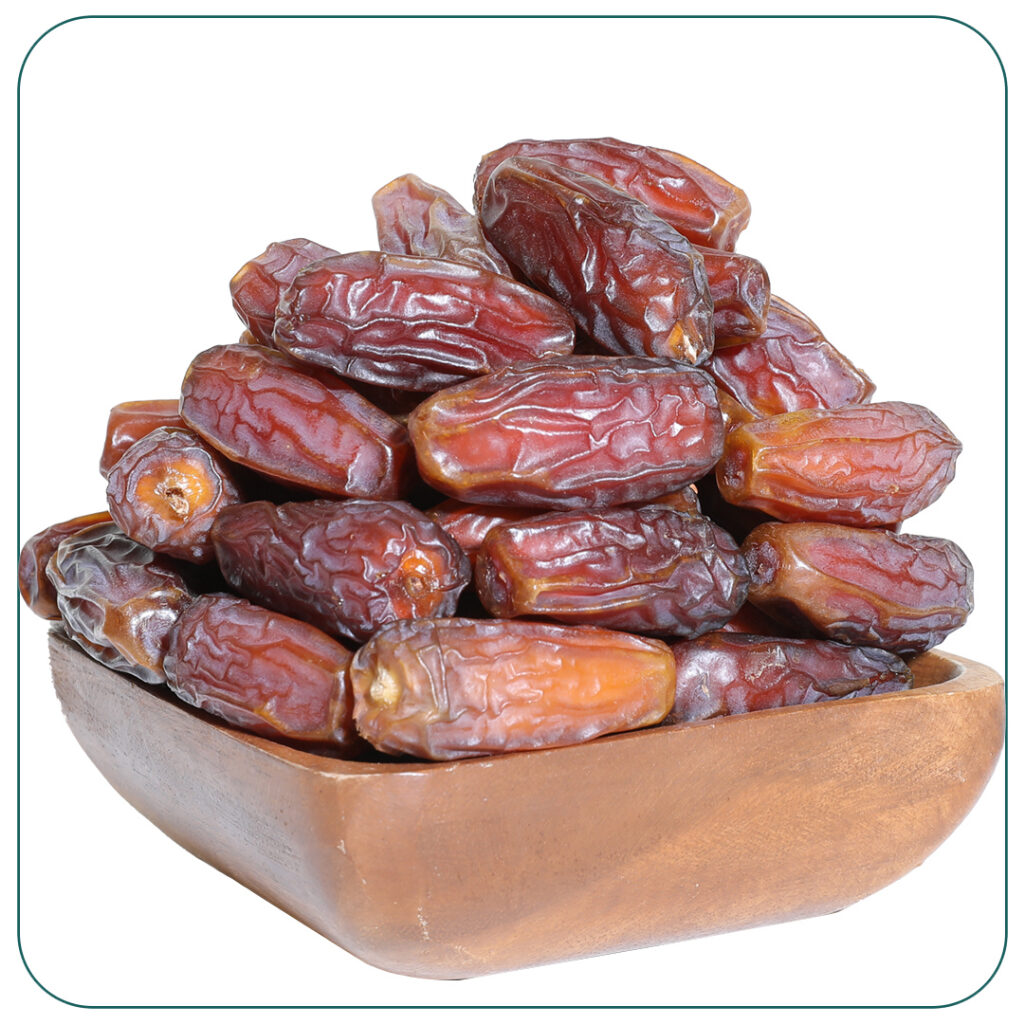
What "Harga Kurma Malaysia" actually means
Harga Kurma Malaysia is simply the going price of dates sold in the country. Ask five sellers and you'll get five different numbers, because the figure moves with grade, origin, and season. A 1kg pack of standard Deglet Noor might sit around RM15–20, while a boxed Ajwa or Medjool gift set can run past RM60. Understanding Harga Kurma Malaysia means knowing which of those factors is driving the number you're looking at, not just comparing two prices side by side.
What moves the price
Four things matter most. Grade is the biggest one — a jumbo, unbroken date costs more than a mixed or broken-grade one of the same variety. Origin matters too: dates flown in from Madinah or Iran carry import and handling costs that local repackers don't. Season plays a role, since fresh-harvest stock (roughly August to October) is priced differently from stock held in cold storage the rest of the year. And volume changes everything — buying 10kg wholesale drops the per-kg price well below what you'd pay for a single retail pack. Anyone seeking to purchase dates in any quantity should ask the seller which of these is behind their quoted price before comparing it to anywhere else.
Reading a date variety before you buy
Not every date on the shelf is the same fruit. A few varieties account for most of what's sold in Malaysia:
- Ajwa — small, dark brown to near-black, soft flesh with a mild caramel sweetness and a slight dryness on the skin. Grown around Madinah, Saudi Arabia.
- Medjool — large, glossy, very soft and syrupy. Usually the priciest variety on a Malaysian shelf because of its size and moisture content.
- Safawi — deep black-brown, firmer bite than Ajwa, also from the Madinah region.
- Mariami — a Piarom-type date from Iran, thin-skinned and very dark, often sold as a premium gift item.
Texture and colour are the fastest way to tell them apart at a stall: Ajwa and Safawi both look dark and wrinkled, but Safawi has a noticeably firmer bite, while Medjool is unmistakably larger and glossier than either.
Buying it: snacking, baking, or gifting
How you plan to use the dates should decide which variety you buy, not just the price tag. For plain snacking, a mid-grade Ajwa or Safawi gives good value. For baking — cakes, energy bars, stuffed treats with almonds or walnuts — a softer, cheaper grade works fine since the dates get blended or chopped anyway; there's no reason to pay gift-grade prices for something going into a food processor. For hantaran or festive gifting, Medjool or a boxed Ajwa set is the usual choice because presentation matters as much as taste there. One practical detail: buy only what you'll use within a few weeks unless you're storing in the fridge, since dates left at room temperature in Malaysia's humidity start to ferment on the surface faster than most buyers expect. For a closer look at grading and sourcing, see this guide to dates and quality.
Where the price makes sense
A fair Harga Kurma Malaysia isn't the lowest number you can find — it's a price that matches the grade and origin you're actually getting. A supplier who states the variety, grade, and harvest season up front is usually a safer bet than one quoting only a flat "kurma premium" price. Sayer Dates lists variety and grade against every price on its product listings, and the wholesale 10kg pricing guide and supplier guide break down how bulk pricing compares to retail packs.