
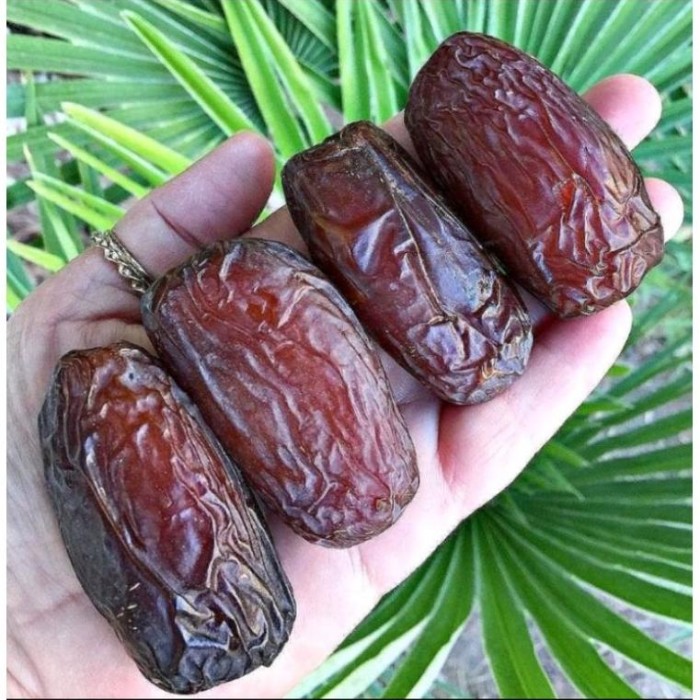
Why Sayer dates cost so much less than Medjool
Put a kilogram of Sayer next to a kilogram of kurma medjool palestine and the price gap is obvious before you even taste either one. Sayer is one of the most widely grown dates in the world — Iran alone produces it by the hundreds of thousands of tonnes a year — while Medjool is a slower, smaller, more labor-heavy crop. That gap isn't marketing. It comes from how each variety is grown, handled and sold.
Volume changes everything about cost
Sayer palms produce heavily and are harvested mechanically in many operations, which keeps the cost per kilogram down even after processing and export. Medjool palms yield far less fruit per tree, and because the dates are large and easily bruised, most of the harvest still has to be picked and sorted by hand. Labor is the single biggest line item in a Medjool grower's cost sheet; it barely registers for a Sayer operation running at scale.
Grading works differently for each variety
Medjool is graded mainly on size and cosmetic appearance — a blemish-free, oversized date sells at a premium because gifting and retail display reward looks. Sayer is graded more on moisture, sugar content and consistency of texture, since most of it goes into bulk food service, baking and processing rather than being sold as a standalone showpiece fruit. A "top grade" Sayer and a "top grade" Medjool are being judged against completely different standards, which is part of why comparing their prices side by side can mislead a buyer who assumes grade means the same thing across varieties.
Where the money actually goes
For Medjool, a large share of the landed price is production and export labor, followed by import duty and the packaging needed to protect a soft, bruise-prone fruit through shipping. For Sayer, transport and duty still apply, but the base cost is lower to begin with, so the same percentage markup produces a smaller number on the shelf tag. Buyers comparing our 10kg wholesale Sayer pricing against Medjool quotes should expect the gap to stay roughly proportional across order sizes — it's not a one-off retail markup, it's built into both crops from the farm level up.
Does the price gap mean a quality gap?
Not necessarily. Sayer at its best is soft, richly sweet and good value for baking, snacking or bulk catering use — it's simply not competing in the same category as a gift-grade Medjool. If your use case is volume (a café, a bakery, a hamper filler) Sayer usually makes more financial sense. If the use case is a standalone premium fruit for gifting, the size and appearance that drive Medjool's price are exactly what you're paying for. Buyers weighing shipment specs before committing to either should check what Medjool shipments into Malaysia typically look like, and traders sourcing either variety in bulk can compare notes with a bulk dates supplier directory for Malaysia before locking in a quote.
Neither variety is "overpriced" or "underpriced" on its own. They're grown, harvested and graded for different jobs, and the price simply follows that.