
What actually separates a good kurma supplier from a bad one
Most guides to buying kurma in Malaysia repeat the same vague advice: "choose a reliable supplier," "look for quality." None of that tells you what to check. This one does. We source dates from several origins ourselves, and the difference between a good lot and a disappointing one usually comes down to five things: origin paperwork, grade, moisture, packaging, and how the supplier handles a sample request. For a broader look at what buyers in this market check before committing to a Kurma supplier in Malaysia, Green Diamond's guide covers the sourcing side in more detail.
Origin: ask for it, don't assume it
Iran (Mariami, Piarom, Zahedi), Saudi Arabia (Ajwa, Safawi), Tunisia and Algeria (Deglet Noor), and Jordan or Palestine (Medjool) are the origins that show up most on Malaysian shelves. A supplier who can't name the growing region, or who answers "Middle East" when you ask, is usually repacking whatever lot was cheapest that month. Ask for the country of origin on the invoice, not just the label — this matters if you're reselling and a customer asks.
Grade and what it actually means
Grades like Jumbo, Super, and Special aren't marketing terms — they're size and blemish sorting standards, and they change the price per kilo by a lot. A Jumbo Medjool and a Special-grade Medjool can differ by RM15-20/kg even though they're the same variety and harvest. If a price looks too good against the grade claimed, ask for a photo of the actual carton, not a stock photo. Our own guide on choosing a supplier you can trust long-term goes deeper into the paperwork side of this.
Moisture and shelf life
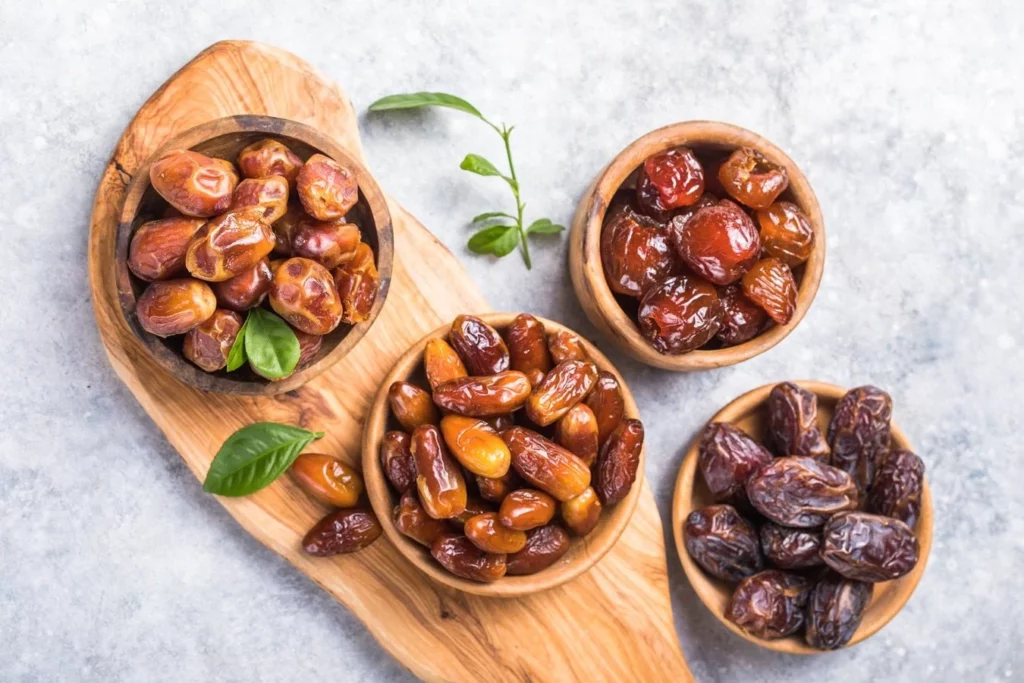
Dates that feel slightly firm and less sticky usually have lower moisture content, which means they'll keep longer without refrigeration — useful if you're stocking for Ramadan or a hari raya rush and can't move inventory fast. Very soft, glossy dates are often fresher but need to be sold or used within weeks, or kept chilled.
Minimum order quantity and packaging
For bulk buyers, MOQ matters as much as price. Some suppliers only sell in 5kg cartons, others go down to 1kg retail packs for smaller resellers. Ask what packaging options exist before you commit to a price — repacking into smaller units yourself eats into margin fast if the supplier can't do it for you. If you're buying at volume, our notes on sourcing bulk quantities cover carton sizes and what wholesale pricing tiers usually look like.
Ask for a sample before the first big order
Any supplier worth working with will send a small sample carton before you place a full order, especially for a new variety or a new harvest season. If a supplier refuses or stalls on this, that's a signal to look elsewhere — a sample costs them little and protects you from a bad batch.
Where this leaves Malaysian buyers
The kurma trade in Malaysia is large enough that price alone won't tell you who's reliable. Origin transparency, correct grading, honest moisture and freshness claims, and a willingness to send a sample are the checks that actually separate a supplier you can build a repeat order with from one you'll only buy from once. If you want to talk through a specific order size or variety, get in touch with us directly and we'll walk through what's in season.