
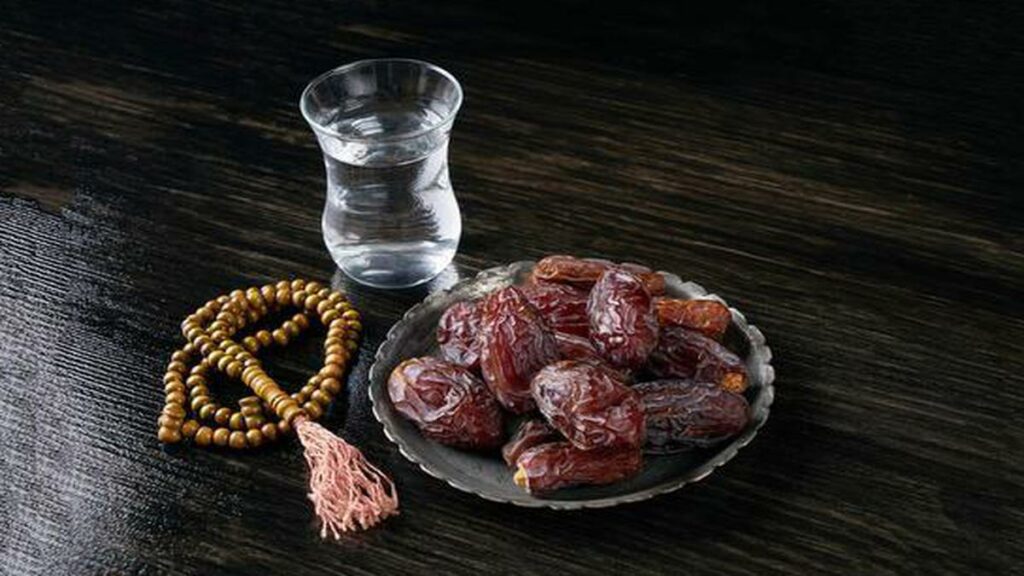
Stocking a shop for the festive rush, not just buying more
A kedai kurma that just orders "more of everything" before Ramadan usually ends up with the wrong mix: too much premium stock sitting unsold and too little of the everyday varieties that actually move daily. Buah kurma sales during this period, and the many ways dates fruit gets used in Malaysian cooking, split roughly into two shelves — a fast-moving mid-priced shelf for daily iftar buyers, and a slower, higher-margin shelf for gifting closer to Eid. Planning both separately, instead of one big order, is what keeps a small shop from running short on one and sitting on the other.
What to put at eye level, and when
Early in Ramadan, the everyday varieties — Khudri, Safawi, mid-grade Sukkari — should be front and centre, since that's what daily buyers are after. Two to three weeks before Eid, the display should shift: Ajwa and Medjool move forward, boxed rather than loose, because that's when gifting buyers start coming in. Shops that make this shift too early tie up premium stock in a display nobody's buying from yet; too late, and they miss the window when hamper-buyers are actually shopping.
Rotab needs a different shelf plan entirely
Fresh rotab spoils fast, so it can't sit on a shelf the way dried varieties can. A shop selling it should order in smaller, more frequent batches and sell it near the front where it turns over daily — treating it like the dried stock (ordering once for the season) is the fastest way to end up throwing out unsold trays.
Pricing through the season
Prices on the popular varieties tend to climb as Ramadan progresses and supply tightens, which means the margin on stock bought early is usually better than stock bought during the last-minute Eid rush. Shops that lock in wholesale pricing on bulk orders ahead of the season protect that margin; ordering piecemeal week to week means paying whatever the supplier is charging that week.
Beyond the two big festivals
Chinese New Year and Deepavali bring smaller, predictable bumps — mostly boxed gifting stock again, not the daily-consumption shelf. A shop that treats these as mini versions of the Eid pattern, rather than ignoring them, picks up steady sales in months that would otherwise be quiet. How dates fit into these different Malaysian celebrations is worth knowing shelf by shelf, not just as one generic "festive" category.
Learning from last year's numbers
The shops that get the mix right aren't guessing — they're looking at what sold out and what got marked down last year and adjusting the order accordingly. A supplier or distributor working the same season is doing this at a larger scale, but the principle is identical: order against what actually sold, not what looked impressive on the shelf.