
Marketing Kurma Malaysia starts with naming what a date actually is
Most "Kurma Malaysia" marketing copy reaches for the same three words — premium, authentic, quality — regardless of which variety is actually in the box. That works until a buyer compares two sellers side by side and neither page says anything a competitor couldn't also claim. The fix costs nothing: name the variety, the grade, and what it's actually good for.
Sayer is a value date, and that's the selling point
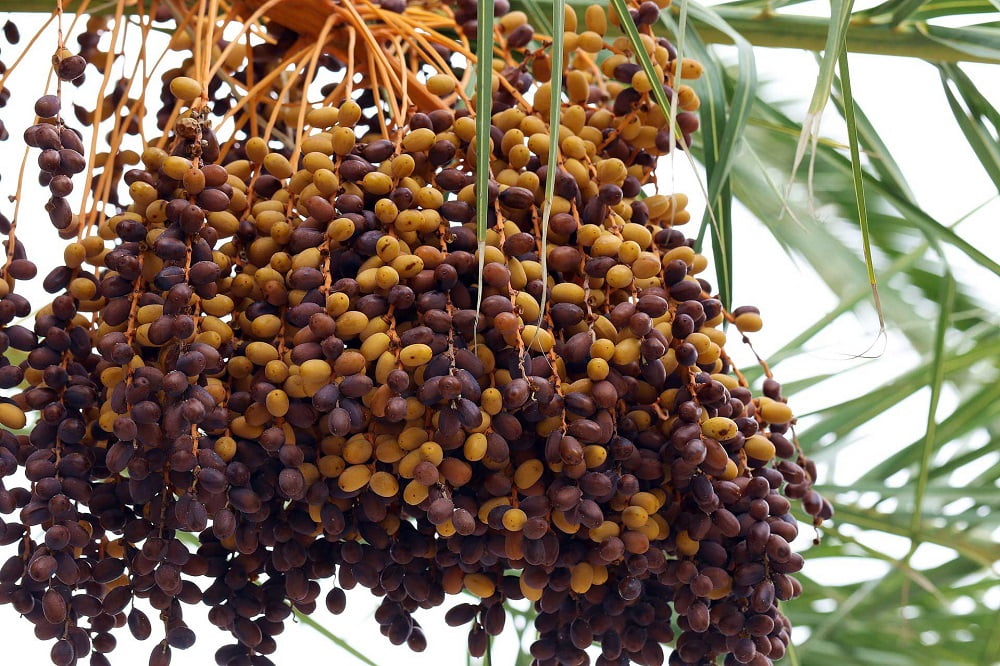
Sayer (also spelled Sayer/Sair) is an Iranian variety, softer and stickier than Mariami or Piarom, and it sits lower on the grading ladder — which is exactly why it moves in volume. It's the date bakeries buy for paste and filling, the one syrup and date-sugar producers process by the tonne, and the one households pick when they're eating dates daily rather than gifting a box. Marketing it as a discount Medjool misses the point and invites a comparison it can't win. A Sayer dates supplier guide that leads with cooking and baking use — cheaper per kilo, softer texture, no pretense — sells to the buyer who actually wants it.
Match the pitch to the use case, not the shelf
A café buying dates for a filling doesn't care about origin-story branding; it cares about consistent moisture and a price that holds steady across a 50kg order. A household buyer wants the opposite framing — taste, softness, how many fit in a kilo. The same variety, two different pitches, and neither one requires inventing a grade the date doesn't have. Buyers who want dates for recipes rather than the fruit bowl are worth a direct nudge toward cooking with dates beyond sweet treats, which is where Sayer's texture actually earns its keep.
Middle Eastern dates: branding that survives a side-by-side comparison
The usual branding move for Middle Eastern dates leans on heritage language — tradition, exotic appeal, centuries-old cultivation. None of that helps a buyer choose between two suppliers offering the same claim. What does help: stating the actual origin country, the harvest season, and whether the batch is fresh-packed or from older stock. A supplier willing to print that detail is telling a buyer something a vague "authentic Middle Eastern" line never will.
What holds up under scrutiny
- Variety and grade stated plainly, not implied by adjectives.
- Use-case named — snacking, baking, or bulk processing — instead of one generic pitch for every buyer.
- Consistent per-kilo pricing across repeat orders, since B2B buyers reorder on predictability more than on story.
- Batch or harvest timing disclosed where it affects freshness, particularly for softer varieties like Sayer.
None of this needs a bigger marketing budget. It needs the seller to say what the date is, who it's for, and what it costs — the three things "premium and authentic" copy usually skips. A wholesale date pricing guide with real per-kilo figures does more for a buyer's trust than another paragraph of heritage language, and it's the same reason a page on the benefits of buying kurma wholesale outperforms a generic "why choose us" section — it names the actual saving instead of implying one.