
What "kurma harga" actually means
"Kurma harga" is just Malay for date price, the number on a price tag or a wholesale invoice. People searching for Kurma Harga usually want one figure, but the price on a 500g pack of Ajwa and the price on a 500g pack of Safawi rarely match, and within one variety the gap usually comes down to grading, not marketing.
This site does not sell online and does not publish a price list. So instead of quoting numbers that would go stale, this page explains what the grade on a label is telling you, so you can read any supplier's price list properly.
Grade first, price second
Dates are graded before they reach a shelf. The labels you will see most often in Malaysia are A, AA, AAA and Jumbo. A higher grade means bigger, more even fruit with less skin damage. It does not mean a different variety. Two bags of the same Medjool can sit at different prices simply because one batch graded higher than the other.
Size and moisture move the price the most
Size is usually judged by how many dates make up a set weight: fewer, bigger dates cost more. Moisture matters too. A date that is too dry loses the soft bite most buyers want, and one packed too wet can ferment before it is sold. Anyone purchasing dates in bulk should ask for the grade and moisture spec in writing rather than relying on photos.
Skin and colour are the visible tell
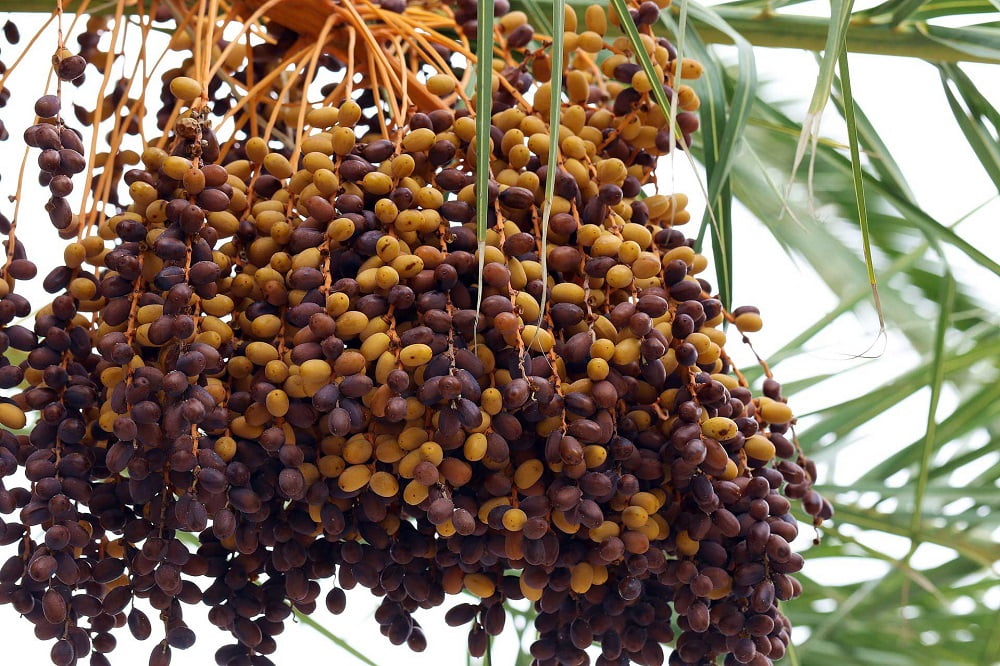
Colour should be even across a batch. Patchy or two-toned skin often points to uneven ripening, and buyers tend to mark it down even when the taste is fine. Look closely at the skin too: torn, split or insect-marked fruit is what pushes a batch into a lower grade.
Why the same variety can carry different prices
Origin and route play into this. Sayer, also traded as Stamaran, comes from Khuzestan in south-west Iran, around Abadan and Khorramshahr. A carton shipped straight from the packer will not cost the same as the same variety re-packed after a stop at a regional hub, because every extra stop adds handling and margin. That is a supply-chain cost, not a quality one. Ask a supplier which route their stock took before you compare two "same" prices side by side.
What to check before you buy
Ask for the grade code, not just the variety name. Ask when the batch was packed, since older stock tends to be drier. Compare price per kilo at the same grade, never a 500g box against a 1kg box. A supplier who prints the grade on the product page or the carton is easier to hold to it than one who only says "premium".
If you are buying in bulk, our note on how 10kg wholesale pricing breaks down makes the per-kilo maths easier, and what certification should back up a grading claim is worth reading before you sign off on a supplier. If you are new to buying altogether, start with how to choose a reliable kurma supplier in Malaysia.
Grading is the reason two identical-looking bags of dates can sit at different prices on the same shelf. Once you know what A, AA, AAA and Jumbo track, the price tag makes more sense.