
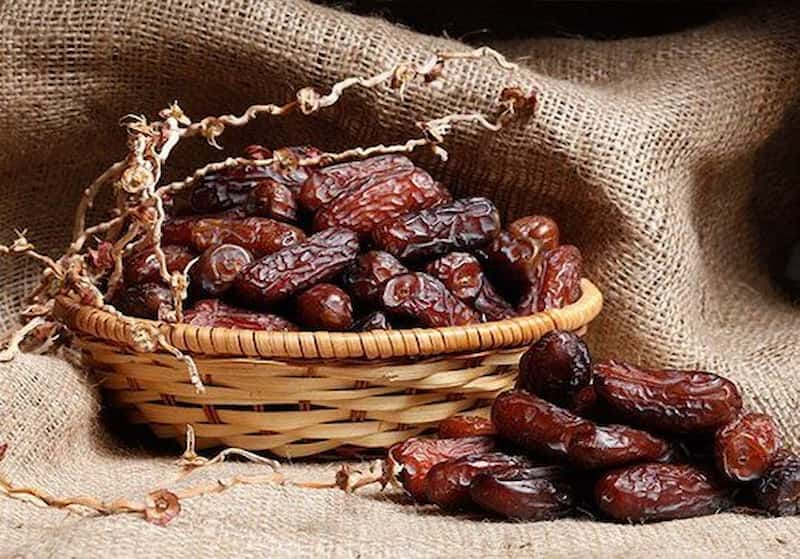
Ask any pembekal kurma why harga kurma moves the way it does, and the answer usually has nothing to do with a shop's markup. It starts at the farm, with the palm itself.
Why the palm decides the price before the shop does
A date palm (Phoenix dactylifera) takes 4 to 8 years before it bears its first commercial harvest, and it doesn't hit full yield until around year 10. That long runway is baked into every kilogram sold later. Growers in Madinah, Al-Ahsa, or Bam plant with a decade-long horizon, not a season-long one, which is one reason premium grades like Ajwa or Piarom don't get cheaper just because demand rises — supply can't expand quickly to meet it.
Pollination is still done by hand on most commercial farms, even large ones. A worker climbs each female palm during the short pollination window and applies pollen collected from male trees. Miss the window by a few days and that tree's yield for the year drops. This is labour-intensive work that machinery hasn't really replaced, and it shows up in the final price.
What actually varies from farm to farm
Irrigation matters more than most buyers realise. Dates need consistent water at the root zone but dry air around the fruit — rain or humidity during ripening can split the skin or cause mould, which is why the best harvests often come from arid inland regions rather than coastal ones. Farms that use drip irrigation get more consistent fruit size season to season than those relying on flood irrigation, but drip systems cost more to install and maintain, and that cost is recovered somewhere in the supply chain.
Harvest timing is another lever. Dates pass through several ripeness stages — kimri, khalal, rutab, tamr — and a grower has to decide when to pick. Pick too early for the khalal (crunchy, less sweet) stage and you get a different product than waiting for tamr (fully dried, deep caramel sweetness). Sayer dates, for instance, are usually harvested closer to the tamr stage, which is part of why they hold their shape well in 10kg wholesale cartons — and why their nutritional value stays consistent from carton to carton.
Where the tech actually helps, and where it doesn't
Soil moisture sensors and weather stations are genuinely used on larger commercial farms now — they help a grower decide when to irrigate rather than guessing on a fixed schedule. That reduces water waste and can improve fruit consistency. What hasn't changed is pollination and harvesting: both still need a person who knows the tree. No supplier we've worked with has seen robotic pollination running at commercial scale — it's been trialled, but hand pollination remains the standard because a skilled worker reads the tree's condition in ways a machine still can't.
So when a price list shows a jump between grades, it's usually tracing back to one of these: tree age, irrigation method, harvest timing, and the amount of hand labour a variety needs. Bulk buyers who understand this can plan purchases around harvest season rather than reacting to price swings after the fact.
Buying with that in mind
If you're sourcing kurma for resale or bulk use, ask a supplier which harvest stage and season a batch comes from — it tells you more about consistency than the country of origin alone. Our guide to harga kurma borong 10kg breaks down what a wholesale carton actually costs and why, and if you're comparing Deglet Noor against other varieties for a bulk order, the panduan wholesale Deglet Noor is worth a read before you commit to a quantity.
For a full breakdown of grades and sourcing, see our panduan Sayer Dates supplier, or contact us directly with your order volume and we'll tell you what season's stock suits it best.