
The harvest labor question nobody asks
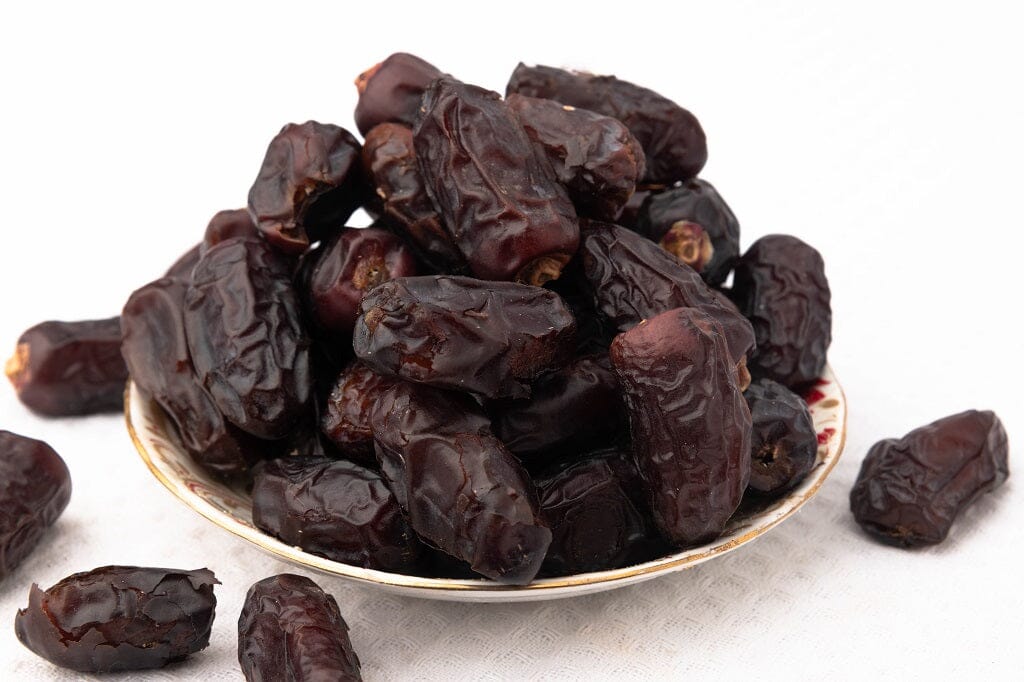
Sayer and Deglet Noor palms are still hand-harvested in most of Iran and Tunisia — a worker climbs, cuts the bunch, and lowers it by rope. Machinery exists for some varieties but not for fruit destined for the premium export grade, where bruising during a mechanical shake-harvest ruins the batch. A pembekal kurma who asks suppliers directly about harvest crew conditions — contracts, season length, whether the same crews return year after year — gets a better read on supply stability than any farm-certification logo gives.
Moisture grading cuts waste before it happens
Most spoilage in dates wholesaling doesn't happen in transit — it happens because fruit was graded wrong at origin. Sayer dates with moisture content above roughly 24% ferment fast in humid Malaysian storage; the same batch graded and separated at source, then shipped in ventilated rather than sealed packaging, lasts weeks longer on a shelf. Wholesalers who invest in a moisture meter at the receiving dock, instead of trusting the exporter's paperwork, catch problem batches before they're sold — which is the actual sustainability win: less fruit thrown away downstream. We go through the grading tiers in our Deglet Noor wholesale guide.
Traceability paperwork that's worth reading
A harvest date and a farm-of-origin printed on a shipping document sound bureaucratic until you need to trace a contamination complaint back to one lot instead of an entire container. Suppliers who keep lot-level records — which farm, which week, which packing line — let a Malaysian wholesaler isolate a bad batch instead of pulling stock network-wide. It also means a buyer can tell a customer honestly where a specific box of dates actually came from, rather than a generic "Middle East" label.
Fuel cost is a sustainability metric too
Consolidating shipments — waiting to fill a full container rather than air-freighting small top-up orders — cuts fuel burn per kilogram substantially, and it's usually the cheaper option for the wholesaler as well. The trade-off is holding more inventory and tying up cash, which is exactly why some suppliers skip it and ship small and often instead. If you're comparing quotes, ask whether pricing assumes consolidated sea freight or rushed air freight; it changes both the cost and the actual environmental footprint of the order.
Current pricing by weight is in our 10kg wholesale price guide, and the wider sustainability picture for the industry is covered in this related piece.